
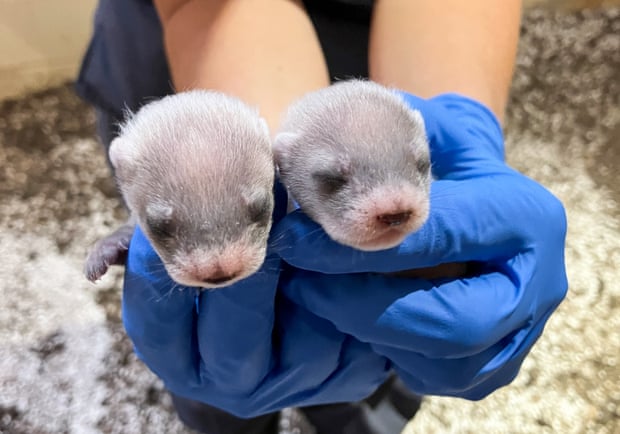
The recent birth of two black-footed ferrets to a cloned mother, Antonia, marks a significant milestone in wildlife conservation and cloning technology. This event opens up new possibilities for increasing genetic diversity in endangered species. However, it also raises complex ethical and practical questions about the role of biotechnology in conservation. In this blog post, we will explore the implications of cloning for species conservation, highlighting both the scientific achievements and the ethical considerations surrounding this development.
Key Takeaways:
- Cloning in Conservation: The successful reproduction of a cloned endangered species, the black-footed ferret, represents a significant step in efforts to increase genetic diversity in at-risk populations.
- Genetic Diversity Restoration: The ferrets' birth reintroduces lost genetic diversity from the 1980s, contributing to the survival potential of the black-footed ferret population.
- Limits of Cloning: Cloning is not a replacement for traditional conservation efforts, such as habitat protection and anti-poaching measures, but an emergency tool for species with limited genetic pools.
- Ethical Concerns: The ethics of cloning raise questions about the conservation value of reintroducing species that have lost their natural habitats due to human activities.
- Future Potential: This breakthrough could potentially be applied to other endangered species, such as the northern white rhinoceros, but practical and ethical challenges remain.
Background: Black-Footed Ferrets and Their Conservation Journey
The black-footed ferret, one of North America's most endangered mammals, was thought to be extinct until a small population was rediscovered in Wyoming in 1981. Conservation efforts, including captive breeding, habitat restoration, and controlled reintroductions, helped to increase the wild population to around 370 individuals. However, the population remains genetically limited due to a severe population bottleneck, making the species vulnerable to diseases and environmental changes.
Cloning offers a unique opportunity to counteract this genetic stagnation. In 2023, the cloned ferret Antonia was born from cryopreserved tissue collected in 1988, containing genetic diversity not found in current populations. Her recent birth of two healthy kits demonstrates cloning’s potential to expand the gene pool in endangered species.
A Breakthrough in Genetic Diversity
Antonia’s offspring, named Sibert and Red Cloud, are the first kits born to a cloned member of an endangered species in the U.S. Antonia was cloned from a ferret named Willa, whose genetic material was preserved in 1988. Since all current black-footed ferrets are descendants of just seven individuals, Willa’s genes add three times more diversity to the population’s genetic pool than exists today. This genetic boost is essential for improving the health and resilience of the species.
Ethical and Practical Limits of Cloning as a Conservation Tool
While cloning represents an exciting tool for conservation, it’s not a panacea. Ronald Sandler, a professor of philosophy and director of the Ethics Institute at Northeastern University, cautions that cloning should complement—not replace—traditional conservation methods like habitat protection and pollution control. These methods address the broader threats that endanger species, such as habitat loss and climate change. Without addressing these issues, simply producing more genetically diverse ferrets will not ensure their survival in the wild.
Philosophical Considerations: What is Real Conservation?
The debate surrounding cloning raises profound philosophical questions about the meaning of conservation. Conservation is more than preserving the genetic material of a species; it also involves ensuring that species can survive in their natural habitats. For instance, if urbanization and climate change continue to destroy habitats, what value is there in cloning species that cannot be reintroduced into the wild?
Sandler emphasizes the importance of seeing cloning as a last-resort measure, useful only when traditional conservation methods have been exhausted. He argues that focusing too much on the technological “wow” factor of cloning could distract from the fundamental goals of conservation. True conservation requires both genetic restoration and habitat protection, without which cloned animals might become little more than museum exhibits.
Future Implications: Cloning Other Endangered Species
The successful reproduction of Antonia’s offspring is a hopeful sign for other endangered species, such as the northern white rhinoceros, which currently has only two surviving individuals. Cloning could theoretically help revive the species if adequate genetic material is stored and a suitable habitat is preserved for their reintroduction.
However, practical hurdles remain. Cloned animals, such as Antonia’s kits, undergo extensive health screenings and are kept in controlled environments to ensure they are fit to survive. The FWS has not yet released Antonia’s offspring into the wild, as they need to ensure that they won’t introduce unforeseen genetic issues. This cautious approach highlights the difficulty of balancing the desire for genetic diversity with the health and welfare of both individual animals and the entire species.
Conclusion: Balancing Biotechnology with Conservation Principles
The birth of Sibert and Red Cloud is a testament to the progress made in conservation cloning. Their birth gives scientists a new tool for increasing genetic diversity, but it also serves as a reminder of the complexities involved in using biotechnology for conservation. Cloning should be seen as one piece of a broader conservation strategy that includes protecting habitats and mitigating human-induced threats.
The debate around cloning underscores the need for a balanced approach that respects both the scientific advances and ethical considerations inherent in conservation work. As we move forward, it’s crucial to remember that while cloning offers exciting possibilities, real conservation lies in preserving the ecosystems that support biodiversity.
